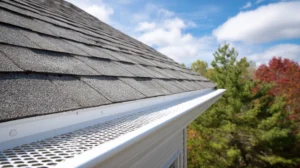

Can I Replace a Few Missing Shingles in Cold Weather?
Yes, in many cases. Small shingle repairs can be completed during cold weather as long as conditions are dry and proper cold-weather installation techniques are used. That said, not every winter situation is appropriate for immediate repair, and knowing when to proceed versus when to wait can help protect your roof long-term.
Eastern Roofing Technologies serves Mooresville, Lake Norman, and the greater Charlotte area with photo-documented inspections, professional shingle roof repairs, and full shingle roof replacement when needed.
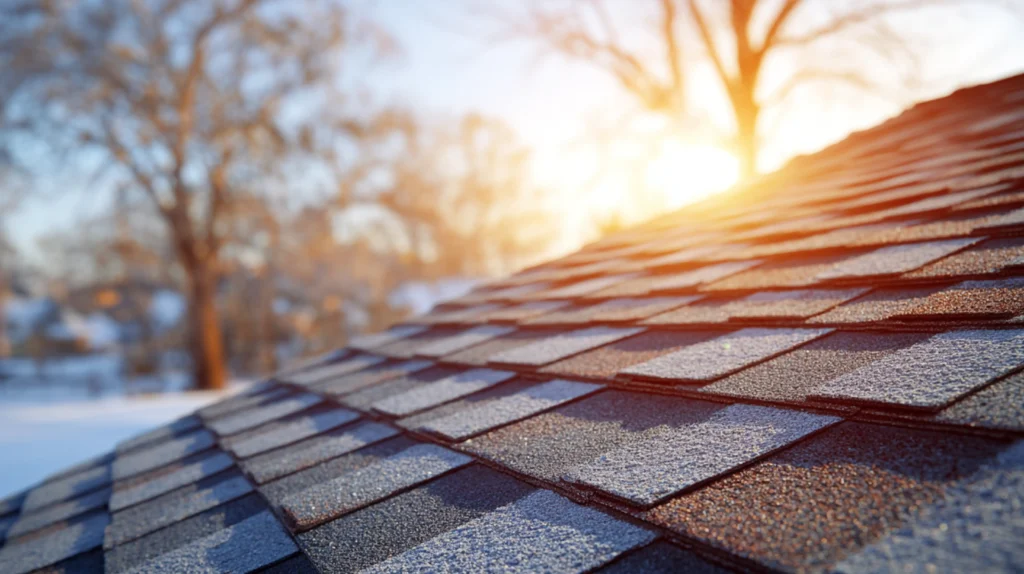
When a Cold-Weather Shingle Repair Is Safe
- Dry roof surface: No active rain, sleet, snow melt, or frost on the shingles or decking.
- Limited scope: A small number of missing tabs, a short ridge-cap section, or a localized wind-lifted area.
- Hand-sealing: Shingle adhesive strips may not activate in cold temperatures, so roofing cement is applied in small, manufacturer-approved amounts.
- Proper fastening: Correct nail placement and quantity to maintain wind resistance and manufacturer compliance.
When Repairs Should Wait for a Milder Day
- Brittle shingles: Older or sun-baked shingles can crack when lifted in cold weather.
- Widespread damage: Multiple missing shingles, recurring blow-offs, or granule loss across large sections.
- Unsafe conditions: Active precipitation, ice, or high winds that compromise safety and adhesion.
How Professionals Stabilize Roofs Between Storms
- Temporary weathering layers: Underlayment patches or localized protection to shed water away from exposed areas.
- Targeted sealing and fastening: Hand-sealed tabs and secure fasteners to hold repairs until warmer temperatures finalize the bond.
- Tarping only when necessary: Installed correctly and vented to avoid trapping moisture.
Common Winter Shingle Repair Scenarios
- Wind-lifted shingles: Replace damaged shingles and seal surrounding tabs to prevent repeat blow-offs.
- Missing ridge caps: Re-cap affected sections and inspect the course below for nail pull-through.
- Cracked pipe boots: Replace the boot or install a repair collar and confirm surrounding shingles are secure.
- Valley edge loss: Patch carefully and verify proper underlayment overlap and water flow.
Color Matching and Remaining Roof Life
New shingles may not perfectly match weathered areas. If repairs become frequent or the roof shows widespread aging, planning for shingle roof replacement may be the more cost-effective option over time.
What Affects the Cost of Small Winter Repairs
- Number of shingles or ridge-cap sections needing replacement.
- Roof pitch, height, and ease of access.
- Hidden issues such as soft decking, missing starter, or underlayment damage.
Insurance and Documentation Tips
- Photos: Before-and-after images plus wide shots of the affected roof slope.
- Simple timeline: When damage occurred, when stabilization happened, and recent weather conditions.
- Written scope: Documentation of completed repairs and recommendations for future work.
Next Steps
- Schedule a Shingle Roof Repair Inspection for a photo-backed plan and pricing.
- Contact Eastern Roofing Technologies to discuss safety, timing, and whether waiting for a mild-weather window is recommended.
Frequently Asked Questions
Is hand-sealing required in cold weather?
Often, yes. Adhesive strips may not activate in cold conditions, so professionals apply small, manufacturer-approved amounts of roofing cement to ensure a proper seal.
What temperature is too cold for shingle repairs?
Manufacturer guidelines vary, but many small repairs can be completed safely when surfaces are dry and hand-sealing is used. Larger repairs are best scheduled for a mild, dry day.
Can new shingles be installed over damaged ones?
No. Damaged shingles must be removed so the underlayment and decking can be inspected before new shingles are properly fastened and sealed.
Will winter repairs void my roof warranty?
No, as long as repairs are completed according to manufacturer specifications by a qualified contractor. Keep photos and invoices with your home records.
When should I plan for a full roof replacement?
If shingle blow-offs repeat, granule loss is widespread, or shingles crack during repairs, a full replacement is usually the better long-term solution. Learn more about roof replacement options.