What Is the Safest Way to Fix a Roof Leak in Winter?
A safe winter roof repair has two priorities: stop active water intrusion immediately and plan permanent repairs for the next appropriate weather window. The goal is to protect your home without risking unsafe conditions, poor workmanship, or manufacturer warranty issues.
Short answer: Stabilize the roof first using professional tarping and targeted flashing repairs, then complete permanent fixes when temperatures and conditions allow.
Immediate Steps to Fix a Roof Leak in Winter
If you notice water coming into your home during cold or stormy weather, quick action can limit damage.
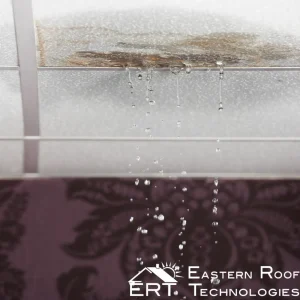
- Protect the interior: Move furniture and electronics, place buckets, and carefully release heavy ceiling bubbles at the lowest point over a container.
- Document everything: Take clear photos and short videos of interior damage, attic conditions if safely accessible, and roof areas from the ground.
- Call a licensed roofer: Request emergency stabilization and a written inspection with photos.
What Professional Winter Roof Stabilization Includes
Temporary winter repairs must be done correctly to prevent further damage and protect long-term roof performance.
- Emergency tarping: Properly secured tarps designed to reduce water intrusion without trapping moisture.
- Leak tracing: Focused inspection of valleys, pipe boots, wall step flashing, chimney counter flashing, skylights, ridge caps, and starter rows.
- Targeted repairs: Replacing cracked pipe boots, reseating step and counter flashing, adding kick-out flashing, and sealing exposed fasteners when appropriate.
- Attic evaluation: Identifying condensation versus true leaks and confirming venting exits properly outside the home.
- Photo documentation: Clear reporting of the cause, stabilization work completed, and recommended next steps.
Winter Roof Repair Do-Not-Do List
- Do not climb onto a wet or icy roof: This is extremely dangerous.
- Do not apply roof cement everywhere: Excess sealant can trap moisture and complicate permanent repairs.
- Do not block attic ventilation: This often causes condensation that mimics roof leaks.
- Do not remove shingles during freezing or high winds: Shingles can crack and adhesives will not bond correctly.
When to Schedule Permanent Roof Repairs
Permanent roof repairs should be completed when surfaces are dry and temperatures meet manufacturer guidelines. Larger projects such as chimney reflashing, valley reconstruction, or underlayment replacement should be scheduled during mild weather to ensure proper fastening and adhesion.
Eastern Roofing Technologies provides roof repair services across Mooresville and the Lake Norman area. You can also visit request an inspection online.
Typical Winter Roof Leak Sources in North Carolina
- Valleys: Debris buildup or failed underlayment laps that allow water backflow.
- Pipe boots: Rubber or neoprene collars that crack in cold temperatures.
- Wall step flashing: Missing kick-out flashing or siding installed over flashing paths.
- Chimneys: Failing counter flashing, deteriorated mortar, or missing crickets.
- Skylights: Curb flashing issues or misdiagnosed attic condensation.
Insurance Documentation Tips for Winter Roof Leaks
If your leak is storm-related, proper documentation is critical.
- Maintain a simple timeline of when the leak started and what actions were taken.
- Photograph roof slopes, gutters, interior ceilings, and attic conditions if safe.
- Request a written inspection report with photos from your roofing contractor.
Our team regularly works with homeowners and insurance carriers to provide clear documentation for storm-related roof repairs.
Why Homeowners Trust Eastern Roofing Technologies
Eastern Roofing Technologies is a fully licensed North Carolina residential contractor (NC GC License #101149) with an A+ rating from the Better Business Bureau and 5-star Google reviews from homeowners across Mooresville and the Lake Norman area.
We are proud members of the Lake Norman Chamber of Commerce and the Mooresville–South Iredell Chamber of Commerce, and we are fully insured through Summit Insurance Group with Worker’s Compensation, General Liability, and a $2 million umbrella policy.
We are also a Tenured CertainTeed SELECT ShingleMaster™ Contractor, a distinction earned through years of certified training, quality workmanship, and consistent customer satisfaction.
Next Steps
- Contact Eastern Roofing Technologies for emergency stabilization and a written winter repair plan.
Frequently Asked Questions
Should I go on the roof during winter rain or ice?
No. Wet or icy roofs are extremely hazardous. Stay on the ground and contact a licensed roofer for stabilization.
What is emergency tarping?
A temporary protective cover that limits water intrusion until permanent repairs can be completed safely.
Can permanent roof repairs be done in winter?
Yes, when conditions meet manufacturer requirements. Larger repairs may be scheduled for milder days.
How can I tell condensation from a roof leak?
Condensation is usually widespread after cold snaps, while roof leaks are localized near penetrations. When in doubt, request an inspection.
What should I document for insurance?
Take date-stamped photos before and after: roof slopes from the ground, gutters and downspouts, interior ceilings, and the attic if safe. Keep a simple timeline of events and mitigation steps.
How fast can a crew respond after a storm?
Same-day or next-day stabilization is common depending on weather and access. Call early to get on the schedule: Contact Eastern Roofing Technologies.
Will winter repairs affect my manufacturer warranty?
Not when repairs are performed according to manufacturer guidelines. We document materials, methods, and temperatures to protect your warranty.
What are the most common winter leak sources?
Valleys, cracked pipe boots, wall step flashing without kick-outs, failing chimney counter flashing, and skylight curb flashing. A targeted inspection will confirm the cause.
What should I do inside the home while I wait?
Move valuables, place buckets and towels, and carefully relieve heavy ceiling bubbles at the lowest point over a container to help prevent a larger collapse.
Who should I call?
Contact Eastern Roofing Technologies for emergency tarping, leak tracing, and a written repair plan.